

The Evolving Role of SDRs: Navigating Outbound Fatigue & Embracing Buying Groups

The Evolving Role of SDRs: Navigating Outbound Fatigue & Embracing Buying Groups

A conversation with Kelly Lichtenberger, VP Sales Development at HiBob.

Sales development is at a crossroads. What once worked—mass sequences, endless dials, and a “spray-and-pray” approach, is now leading to diminishing returns. Buyers are fatigued, inboxes are overflowing, and SDRs are burning out. Yet, building top-of-funnel pipeline is still one of the most critical levers for revenue growth.

So, how does the modern SDR team succeed in an environment defined by noise, automation, and shrinking buyer attention spans?

In this episode of The Revenue Lounge, Kelly Lichtenberger, VP of Sales Development at HiBob and author of Prospect Like a Girl: Winning in Sales Using Your Emotional Intelligence Over Artificial Intelligence, shared her perspective on building authentic connections, leveraging emotional intelligence, and balancing technology with personalization. Here’s the detailed breakdown of her insights.

From Phonebooks to AI: Kelly’s Journey Through Sales Development

Kelly’s career started long before SDR platforms and LinkedIn existed. She recalls flipping through phone books, driving past office buildings, and tracking down numbers to call.

“When I started my career, there was no Google, no AI. We literally had a phone book. If I drove down a highway and saw a new sign on a building, I’d try to figure out how to call them.”Kelly Lichtenberger

Her path took her from running her own outsourcing company to consulting, and ultimately to leading HiBob’s 60+ global SDR team. That breadth of experience shapes her philosophy today: technology should enhance—not replace—the human connection in sales.

The Great Ignore: Why Outbound Fatigue Is Real

Kelly calls today’s prospecting environment “heavy.”

Before COVID, it took ~11 touches to reach a prospect. During COVID, that ballooned to ~18. Today, SDRs need 25–27 touches across 45 days to break through.

And prospects are more sophisticated than ever:

  • They recognize templated, generic messages instantly.

  • They consume information across fragmented channels (email, phone, LinkedIn, mobile).

  • They’re trained to hit “delete” on irrelevant outreach.

“If you keep doing the same thing over and over with zero results, it’s the definition of insanity. You have to change it up. Personalization and creativity are the differentiators now.”Kelly Lichtenberger

Quality Over Quantity: Rethinking SDR KPIs

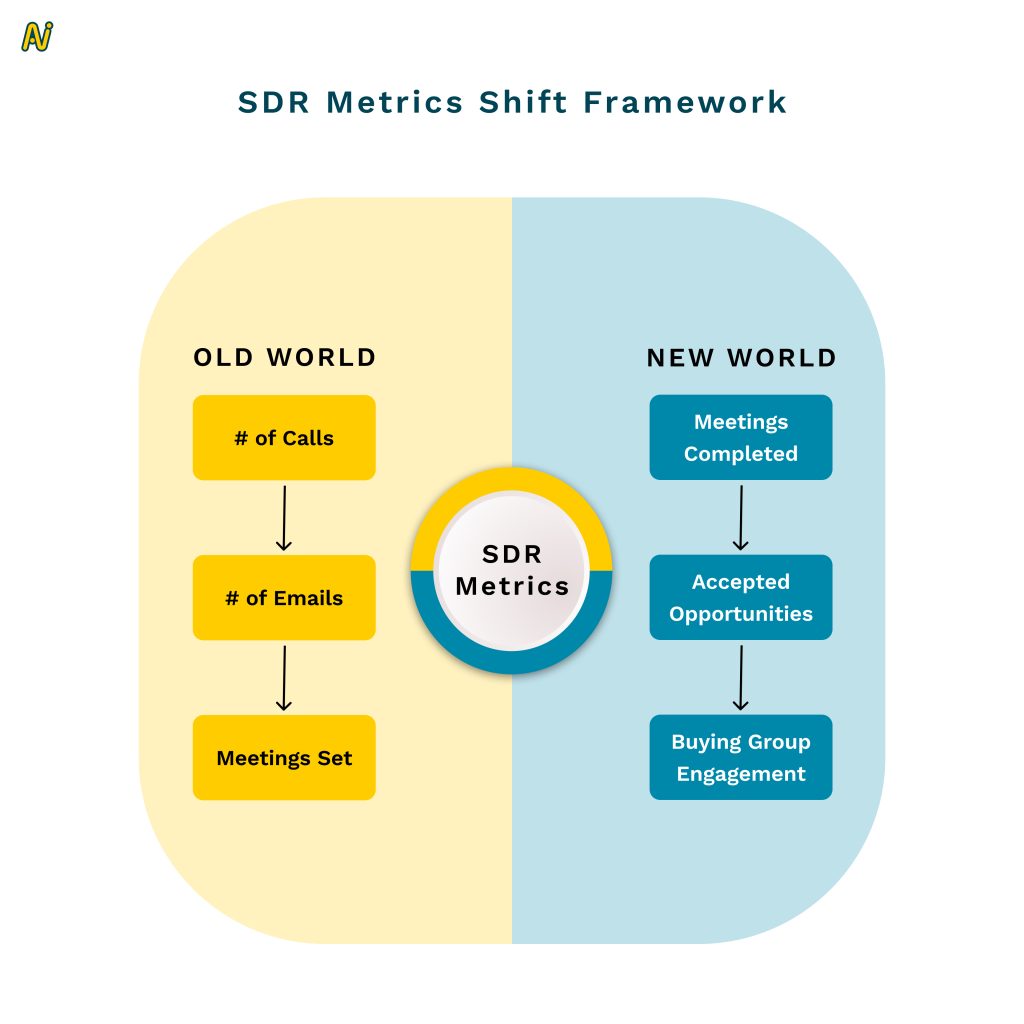
For years, SDR success was measured in sheer volume—calls made, emails sent, meetings set. But Kelly warns that volume alone creates diminishing returns.

At HiBob, her team focuses on:

  • Meetings completed (not just scheduled)

  • Pipeline acceptance rate (ensuring quality over filler opportunities)

  • Multi-threading impact (how many stakeholders they can influence in a buying group)
Personalization at Scale: The New SDR Playbook

Kelly believes personalization isn’t optional anymore—it’s the SDR’s competitive edge. And it goes beyond “Hi {FirstName}” tokens.

Some tactics HiBob SDRs use:

  • LinkedIn signals: tracking job changes, posts, and shared connections.

  • Video outreach: short, phone-friendly videos to stand out in a crowded inbox.

  • Creativity tests: A/B testing creative messages, then templatizing winners into sequences.

“Please keep saying the phone call is dead—because that’s where I win. But it’s not about feature dumps on voicemails. It’s about elevating your game and being interested, not interesting.”Kelly Lichtenberger

Emotional Intelligence > Artificial Intelligence

Kelly’s book, Prospect Like a Girl, argues that emotional intelligence (EI) is more important than artificial intelligence (AI) in modern sales.

While AI helps SDRs save time (e.g., autodialers, transcription, sequencing), the differentiator is still human connection.

  • EI Builds Trust: Asking, “Maybe you can help me?” opens doors faster than product pitches.

  • EI Reads the Room: SDRs must listen, not bulldoze. Prospects already know a lot before taking the call.

  • EI Creates Curiosity: The goal isn’t to close in the first message—it’s to spark interest and earn the next touch.

“No is as powerful as yes. Maybe is what kills the deal.” – Kelly Lichtenberger

The Buying Group Motion: Moving Beyond MQLs

Kelly echoes what many modern revenue leaders believe: the era of the individual MQL is over.

HiBob’s team is experimenting with buying group strategies:

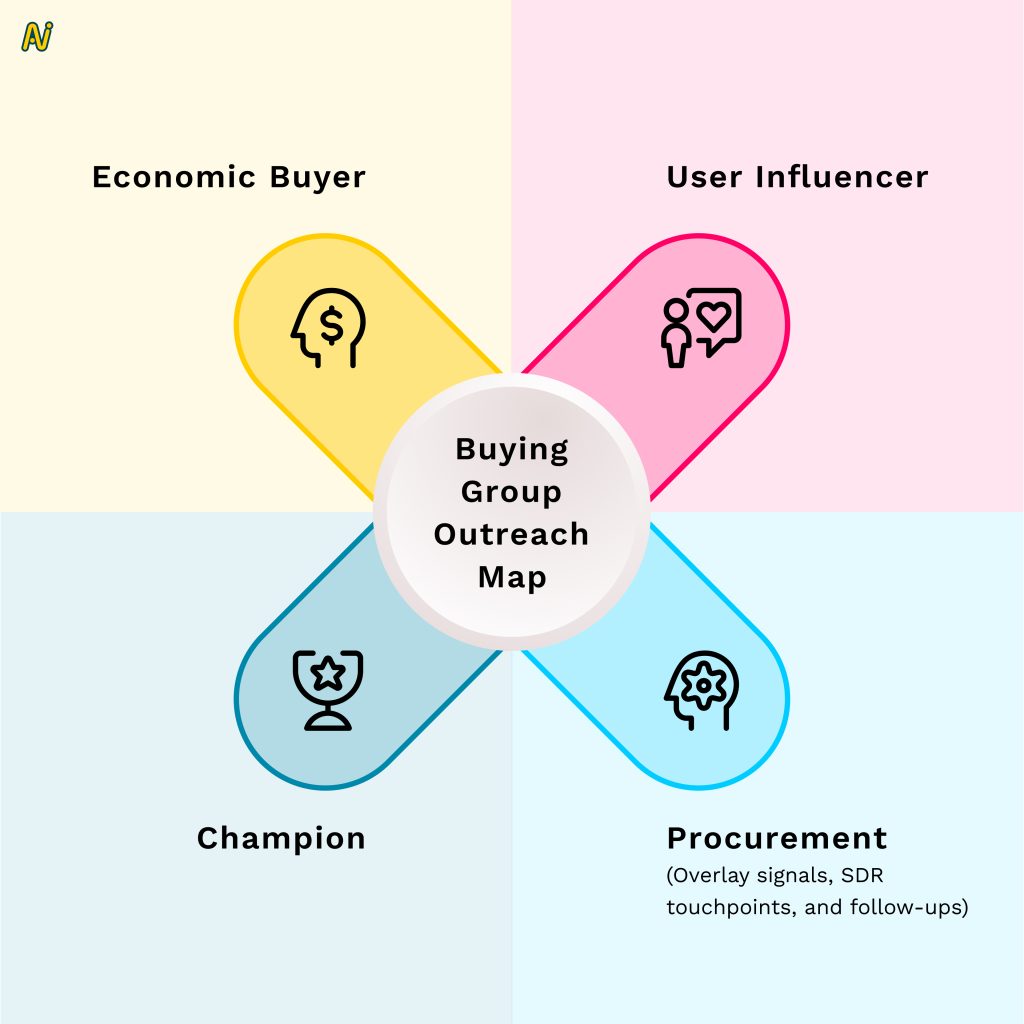
  • Creating early-stage opportunity “containers” for accounts showing swarming signals.

  • Engaging multiple champions instead of betting on one lead.

  • Aligning with marketing to ensure SDRs aren’t just chasing scores but confirming initiatives with multiple stakeholders.

What Traits Make a Successful SDR in 2025?

Interestingly, HiBob often hires SDRs without sales experience. Kelly looks for traits over résumés:

  • Coachability – willingness to be trained.

  • Curiosity – ability to teach even their leaders new tools or perspectives.

  • Resilience – grit to handle rejection and keep evolving.

“Sales isn’t Friday golf and making money. It’s really hard work. But if someone shows me their why and willingness to be coached, I’ll give them a chance.”Kelly Lichtenberger

Will AI Replace SDRs? Kelly Says No

The elephant in the room: will AI make SDRs obsolete?

Kelly’s answer: absolutely not.

AI is a productivity booster, not a replacement. Just like Netflix didn’t stop us from watching movies—it changed how we consume them—AI will change how SDRs prospect, not eliminate them.

“If you as a human don’t learn how to work in both worlds—AI and human—you’re the one who will get replaced.”Kelly Lichtenberger

Key Takeaways for Modern SDR Leaders

  • Outreach requires 25+ touches—design for persistence.

  • Shift KPIs from activity metrics to pipeline quality.

  • Personalization is a non-negotiable—test, learn, templatize.

  • Emotional intelligence builds trust where AI cannot.

  • Adopt buying group motions—multi-thread every deal.

  • Hire for traits, not résumés. Coachability wins.

  • AI will augment SDRs, not replace them—unless they refuse to adapt.

Final Word

Sales development isn’t dying—it’s evolving. The SDRs who embrace creativity, curiosity, and emotional intelligence will thrive, while those who cling to outdated, volume-heavy tactics will struggle.

HiBob’s Kelly Lichtenberger reminds us that the human touch is still the ultimate differentiator in sales.

“Be interested, not interesting.”Kelly Lichtenberger

Want to hear more stories from revenue leaders? Subscribe to The Revenue Lounge podcast to never miss an episode!

More Resources

Top 15 Guided Selling Tools for 2025

Top 15 Guided Selling Tools for 2025 RevOps 10 min Imagine that you are planning to build a new house but are unsure where to start. You have a basic idea of what you want but are not an expert in home construction or design. In such a situation, you would need a skilled architect who understands your needs, preferences, and budget and then guides you through designing your dream home. The architect would help you make informed decisions about your new home’s design, materials, and features. Similarly, a guided selling tool uses customer data and sales expertise to help customers navigate the purchasing process and make informed decisions. It can provide personalized recommendations based on the customer’s needs and preferences, answer questions, and offer advice to help them choose the right product or service. What is Guided Selling? Guided selling is a strategy involving a structured approach to lead potential customers through the sales process. It is the process of analyzing current sales, historical sales, and customer data to help sales reps provide tailored product recommendations to customers and increase the likelihood of conversion.  Let’s say you are shopping for a new laptop. You visit a website that offers guided selling, and you’re prompted to answer a series of questions. The questions might include things like: What will you primarily use the laptop for? Do you need a large screen or a lightweight design? How important is battery life to you? What is your budget? Based on your responses, the website would then recommend a few different laptops that meet your needs. It might provide detailed information about each laptop, such as the processor, RAM, and storage capacity, as well as customer reviews and ratings. The website might offer additional guidance, such as recommending accessories or providing information on warranties and support. Throughout the process, the focus is on helping you make an informed decision based on your unique needs and preferences. Guided selling can be particularly effective for complex or high-value products or services where customers may require more personalized guidance and support to make informed purchasing decisions. By providing a more consultative sales approach, guided selling also helps to establish long-term customer relationships. How Does Guided Selling Work in B2B SaaS In B2B SaaS, guided selling typically involves a sales representative or a customer success manager who guides the customer. The process usually begins with the customer expressing their needs and goals and the guide using that information to suggest relevant products or services. The guide may use various tools, such as a software demo, to help the customer understand the features and benefits of each option. In addition, guided selling often involves providing educational resources to the customer to help them better understand the product or service and how it can help them achieve their goals. This may include case studies, white papers, or other content that provides valuable insights into the benefits and use cases of the product. Let’s have a look at the guided selling process in detail: The Process of Guided Selling Tools The guided selling process is a customer-centric approach to sales that involves guiding potential customers through the buying process by providing personalized recommendations, advice, and support. The following are the general steps involved in a typical guided selling process: 1. Gathering customer information The first step of the process involves collecting data on the customer’s needs, preferences, budget, and any other relevant information that can help the sales process. 2. Identifying customer pain points In this stage, the sales team uses the information gathered in the previous stage to identify the customer’s pain points or areas of concern.This is typically done through a series of questions or a needs assessment. 3. Providing product recommendations Based on the customer information and pain points identified, the sales team provides recommendations on the products or services that best meet the customer’s needs. 4. Presenting solutions At this stage, the sales team presents the recommended products or services to the customer and explains how they address the customer’s pain points. The sales representative provides information about the recommended products or services, including their features, benefits, and pricing. 5. Handling objections If the customer has any objections or concerns, the sales team addresses them and provides additional information or alternative solutions as needed.  6. Closing the sale Once the customer is satisfied with the recommended product or service, the sales team closes the sale by facilitating the purchase process. 7. Follow-up and customer support After the sale is complete, the sales team provides follow-up support to ensure the customer is satisfied with their purchase and offers any additional assistance or support as needed.   Examples of Guided Selling Tools in Businesses Here are some examples of techniques of guided selling tools:  1. Automate sales playbook To ensure consistent performance, sales playbooks should be automated. Guided selling relies on a solid foundation of methodologies, blueprints, and plays that facilitate the sales process. It’s important to choose a solution that simplifies the playbook for sellers, allowing them to follow the plan and consistently advance deals easily. 2. Identify specific needs In some situations, customers may need a clearer idea of what they are looking for when they visit your website. In such cases, a brief questionnaire can be used to determine and guide their specific requirements. For instance, if you run an online clothing store, you could ask customers questions about their preferred fit and fabric to steer them toward products that best match their preferences. This approach can increase the likelihood of a purchase by helping customers make informed decisions based on their needs. 3. Real-time response For a guided selling software to be effective, it needs to be adaptable and flexible, able to react to changing circumstances in real time. At a fundamental level, ensuring that sales representatives remain attentive to communication and other sales activities can reduce the time it takes to close deals and result in higher revenue velocity. In other cases,

A 30-60-90 Day Guide for First-Time Directors of Revenue Operations

A 30-60-90 Day Guide for First-Time Directors of Revenue Operations RevOps 10 min Starting a new job as a Director of Revenue Operations is an exciting opportunity to make a significant impact on a company’s revenue growth. To ensure success in this role, it’s essential to have a strategic plan that guides your actions during the crucial first three months. Here’s a 30-60-90 day plan that will help you strategically manage revenue operations and drive sustainable growth. We recently spoke to Hassan Irshad, Director of RevOps at FEVTutor. He shared his approach to this powerful framework, demonstrating how each phase (30, 60, and 90 days) builds strategically upon the last to deliver alignment, trust, and sustained improvement. By breaking down complex goals into achievable milestones, the 30-60-90 day approach empowers RevOps leaders to initiate meaningful change without overwhelming teams. For all the RevOps leaders, it’s a way to approach change with purpose, driving measurable impact and laying the groundwork for long-term success.  The 30-60–90 day framework must be an indispensable tool and here is how you can implement progressive, sustainable growth strategies from day one. First 30 days for a Director of Revenue Operations The purpose should be to gather insights and understand the organization, especially the needs and challenges of different teams. 1. Goals for first 30 days:   i. Meet Key Stakeholders Meet with cross departmental teams like Finance, HR, and Sales to understand their goals, challenges, and priorities. ii. Document Everything Create a “lay of the land” document summarizing findings on different team goals, challenges, and processes.   iii. Understand the Product Take product demos, listen to sales calls, and use tools that show how the product is sold. This helps in understanding the customer needs better. iv. Dive into Your CRM Understand your CRM (whether Salesforce or HubSpot) to assess how the data is organized. This is to check whether it’s easy to use, and identify immediate improvements. The CRM should be the central source of truth, with other tools supporting it. The data should be unified with easier adoption for the teams. v. Build Trust Internally Establish trust within your teams by listening carefully, asking questions about how RevOps can help, and addressing quick fixes to show you’re there to help. Having this trust shows them that you’re here to support their success. Quick wins, such as small fixes that make people’s jobs easier, helps in establishing credibility early. 2. Establish Clear KPIs   i. Understanding Team KPIs It is important to ask you stakeholders about the KPIs that matter to understand their goals and what their expectations are. ii. Aligning KPIs Across Teams Different departments oftentimes work in silos. RevOps should strive to align these departments and check if these KPIs match the overall business objectives. Gaps must be closed if their KPIs don’t align. iii. Setting RevOps KPIs As you approach the end of the first 30 days, start establishing RevOps-specific KPIs that match company goals, which may involve metrics like revenue increase, conversion rates, or improvements in overall efficiency. 3. Tech Stack Audit Deep dive into the existing tools that your company is using. Identify all redundancies, and find opportunities to streamline the entire tech stack. i. Map Out Tools Compile a list of all tools used by teams, noting their purpose and how they work with the CRM. ii. Evaluate Use and Cost Determine if tools are actively used or if there are duplicates. Look for cost-saving opportunities by consolidating tools when possible. https://www.youtube.com/watch?v=sVDJ9KI1tGw&t=869s Next 30 days – Alignment and Control The next 30 days marks a shift from discovery to alignment. The goals should be to create cohesion between departments (e.g., Sales, Marketing) and laying down effective controls. The improvements need to be implemented without overwhelming the teams. This phase combines further exploration with actionable improvements with the primary task being bringing the teams into sync.   1. Ways to bring your teams together i. Encouraging cross-team collaboration by addressing silos and ensuring all teams work toward shared quarterly or company-wide goals. ii. By creating alignment, you help teams see RevOps as a support system rather than an enforcer. This keeps communication channels open and creates buy-in. iii. Based on your findings, introduce controls wherever needed to improve workflow. Example: If close dates aren’t being recorded properly, this could skew reports. Meet with sales, identify the root cause (e.g., manual data entry that is taking too much of a reps’ time), and provide solutions or tools to make their tasks easier. Ensure that controls are practical and developed with the trust built in the first 30 days. Foster internal consensus within teams so that these improvements are adopted seamlessly. 2. Navigate Organizational Politics (i) Barrier Removal Larger organizations may have internal politics or ingrained processes that resist change. Find an internal “sponsor” who trusts and supports RevOps initiatives and can authorize actions to navigate any resistance. (ii) Trust and Consistency As you implement changes, make sure your efforts consistently demonstrate how RevOps can make work easier and more efficient for everyone. 3. Evolving the Tech Stack (i) Assessing Tech Needs If tools aren’t fully integrated (e.g., a tool not writing data back to the CRM), identify their gaps and consider evolving the tech stack. (ii) Holistic View Use insights from the discovery and alignment phases to start envisioning necessary tech improvements that align with company goals. Beginning of the 90-Day Phase: Vision and Execution This phase, described as “Vision and Execution,” involves shaping and executing a strategy based on insights gathered from the discovery and alignment phases. a. Roadmap Creation Create a roadmap covering the next two quarters, focusing on long-term, high-impact changes that align with business goals. Use learnings based on stakeholder needs, organizational goals, and the findings from the first 60 days i. Set Priorities Collaborate with end users (Sales, Marketing, Customer Success) to understand their pressing needs and align the roadmap with these needs. ii. Strategic Execution Prioritize initiatives that will have immediate revenue impact or

Leave a Comment

Your email address will not be published. Required fields are marked *

Scroll to Top

Just one more step