
Top 15 Guided Selling Tools for 2026
- Sales
- 12 min
- Updated: July 20, 2026
Imagine planning to build a new house without knowing where to start. You have a rough idea of what you want, but you’re not an architect. A good architect takes your needs, preferences, and budget, and guides you through the decisions, materials, layout, features, that turn a vague idea into an actual house.
A guided selling tool does roughly the same job for a sales rep facing a complex deal: it uses customer data and sales expertise to help reps (and increasingly, buyers directly) navigate a purchasing decision, offering personalized recommendations, answering questions, and steering the process toward a decision that actually fits.
Get our latest insights into your inbox

What Is Guided Selling?
Guided selling is a structured approach to leading potential customers through the sales process, using current and historical sales data alongside customer information to help reps make tailored product recommendations and increase the likelihood of conversion.
Picture shopping for a laptop online. A guided selling flow asks what you’ll primarily use it for, whether you need a large screen or something lightweight, how much battery life matters, and what your budget is, then recommends a shortlist based on your answers, with detail on specs, reviews, and ratings to help you decide.
Guided selling works especially well for complex or high-value purchases, where buyers need more support to feel confident in a decision. Done well, it also builds the kind of trust that leads to a longer relationship rather than a one-time transaction.

How Guided Selling Works in B2B SaaS
In B2B SaaS, guided selling usually runs through a sales rep or customer success manager rather than a self-serve website flow. It starts with the customer describing their goals, and the guide using that context to recommend relevant products or plans, often supported by a live demo, case studies, or other content that helps the buyer understand how the product actually solves their problem.
The Guided Selling Process
- Gathering customer information. Collecting data on the customer’s needs, budget, and constraints.
- Identifying pain points. Using that information, usually through targeted questions or a needs assessment, to surface what’s actually blocking the buyer.
- Providing recommendations. Matching the buyer’s needs to the specific product, plan, or configuration that fits.
- Presenting solutions. Walking through features, benefits, and pricing in the context of the buyer’s stated problem.
- Handling objections. Addressing concerns directly rather than avoiding them.
- Closing the sale. Facilitating the actual purchase once the buyer is confident.
- Follow-up and support. Making sure the customer is set up for success after the sale, not just after the signature.
What Guided Selling Looks Like in Practice
Automated sales playbooks. Guided selling depends on a consistent methodology, so the playbook itself needs to be automated and easy to follow, not a document reps have to remember to consult.
Needs-identification questionnaires. A short, structured set of questions steers a buyer (or a rep) toward the right recommendation faster than an open-ended conversation would.
Real-time responsiveness. A guided selling tool has to react to what’s actually happening in a deal as it happens. Responding to a live signal within minutes rather than hours meaningfully increases the odds of a sale.
Pipeline visibility. A good guided selling tool gives reps and managers a clear view into pipeline health, surfacing at-risk deals and letting managers compare how reps are actually spending their time, not just what they report spending it on.
Integration with the rest of the stack. Teams typically buy 10 to 15 tools but only actively use 3 to 6 of them, which makes integration a real constraint on a guided selling tool’s actual usefulness. A tool connected only to the CRM and email, with no visibility into content usage or engagement analytics, leaves reps guessing which sales material actually works at each stage. The more complete the data feeding it, the better a guided selling tool performs, which is exactly why the underlying data problem matters as much as the guided selling layer sitting on top of it.
Top 15 Guided Selling Tools for 2026
- Nektar, CRM data foundation and AI-guided deal signals
- HubSpot, marketing and sales analytics with guided reporting
- Salesforce CPQ, configure-price-quote guidance for complex deals
- Revenue.io, AI-guided sales methodology and real-time coaching
- ClickPoint, lead management and prioritization
- Aviso, AI-driven pipeline inspection and forecasting
- LevelEleven, performance scorecards and real-time coaching
- Zebrafi, cloud-based guided selling and pipeline insight
- DealHub, revenue workflow and guided selling playbooks
- Veelo, onboarding and content guidance in one platform
- Quark Docurated, content intelligence and recommendation
- Highspot, sales enablement with AI-guided content and coaching
- Seismic, enablement platform with AI-guided content and buyer engagement
- Tact.ai, edge AI for enterprise CRM guidance
- Vymo, guided selling for financial services
Overview of the 15 Best Guided Selling Tools
1. Nektar
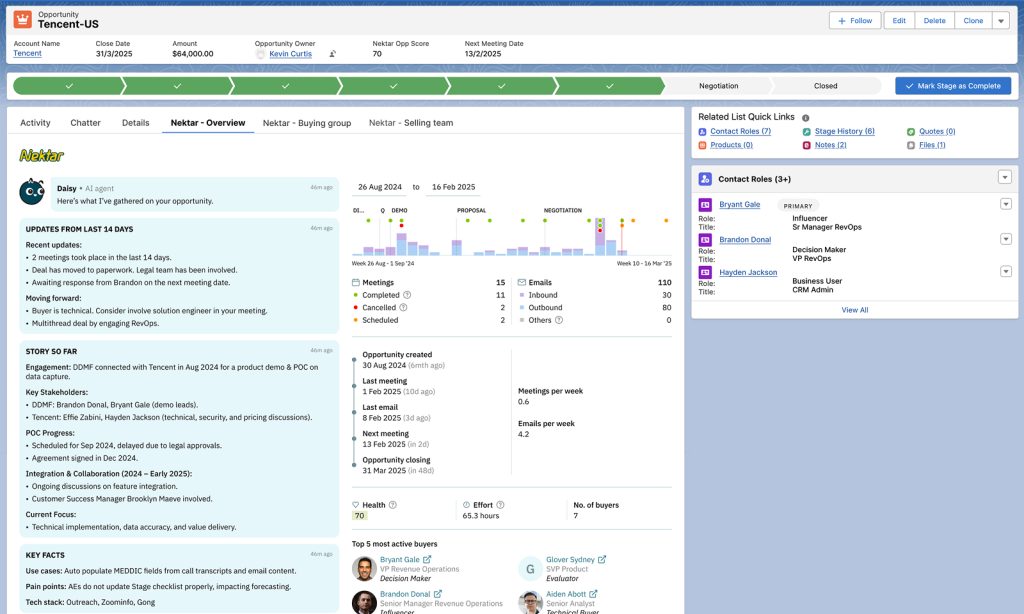
Nektar’s role in guided selling is upstream of most of the tools on this list: it makes sure the CRM data a guided selling tool depends on is actually complete before that tool tries to guide anything. Data Foundation automatically captures every email, meeting, call, and calendar event across a team and writes it natively into Salesforce, HubSpot, or Dynamics, with zero rep effort required. Daisy AI then turns that captured activity into the specific signals guided selling depends on: deal risk flags, buying-group coverage, and MEDDPICC completeness, surfaced directly on the Salesforce Opportunity tab rather than a separate dashboard.
Best for: Salesforce-first teams that need the underlying deal data reliable enough for both reps and any AI-guided tool sitting on top of it.
2. HubSpot
HubSpot’s marketing analytics and dashboard tools let you track marketing and sales campaigns in one place, giving your team a shared, reliable data foundation to guide sales efforts from.
3. Salesforce CPQ
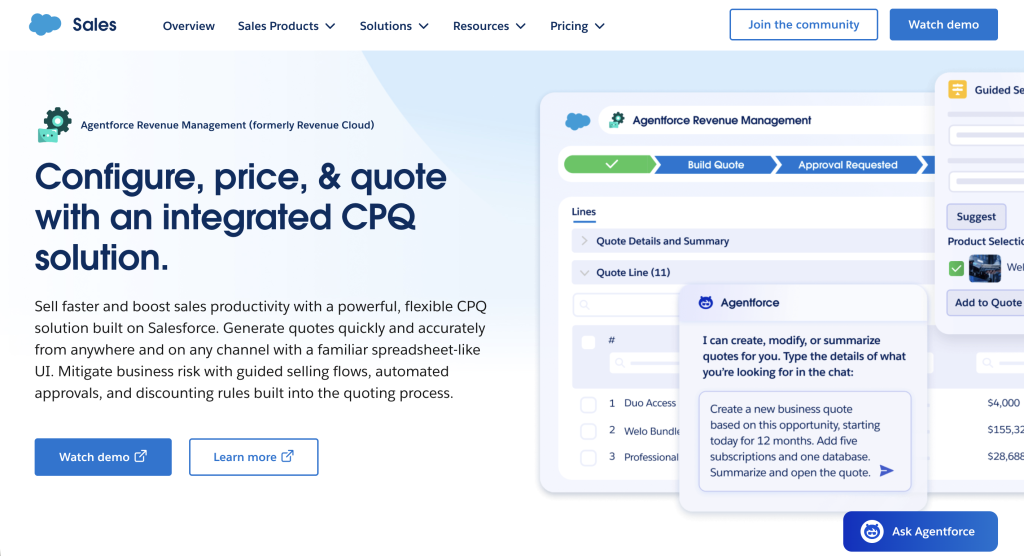
Salesforce CPQ accelerates quoting, price management, and deal closing, giving reps structured guidance through configuration and pricing decisions on complex deals. Available in three editions, with the full Quote-to-Cash edition also supporting billing and collections.
4. Revenue.io
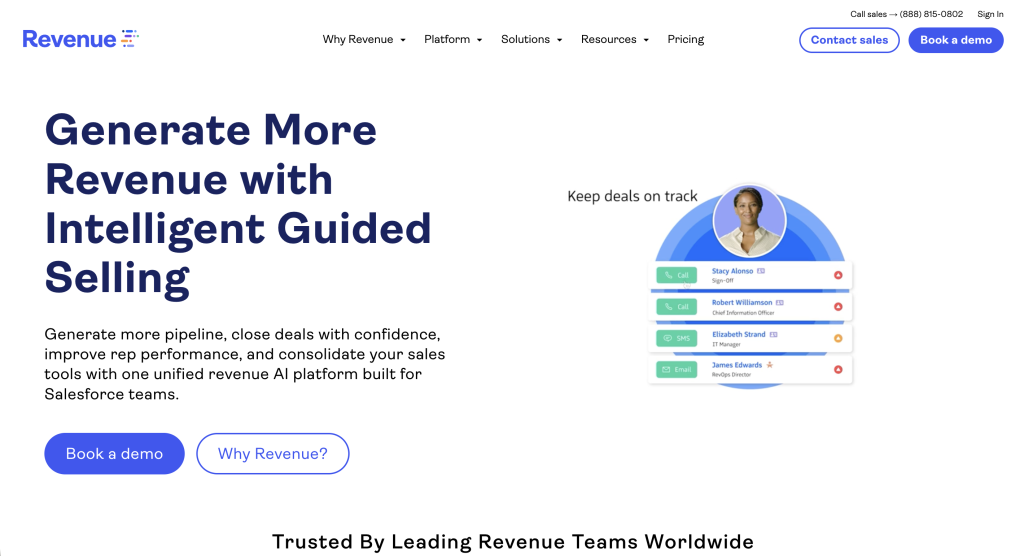
Revenue.io uses AI to guide reps toward the most effective sales approach for a given deal, automating playbook adoption and surfacing the information reps and prospects need at the right moment.
5. Clickpoint
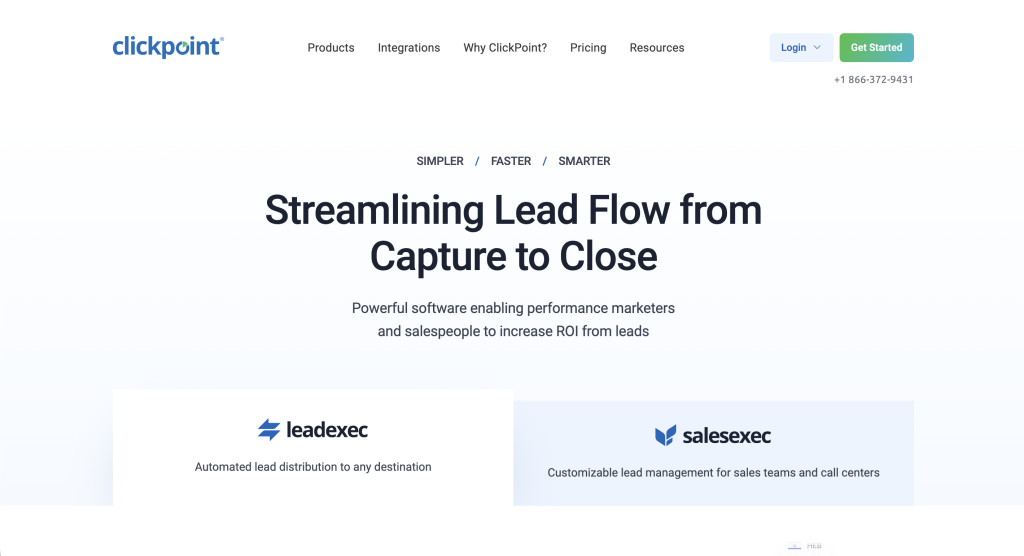
ClickPoint manages sales leads and communication, helping teams streamline guided selling through lead prioritization, customized sales emails, and personalized lead data.
6. Aviso
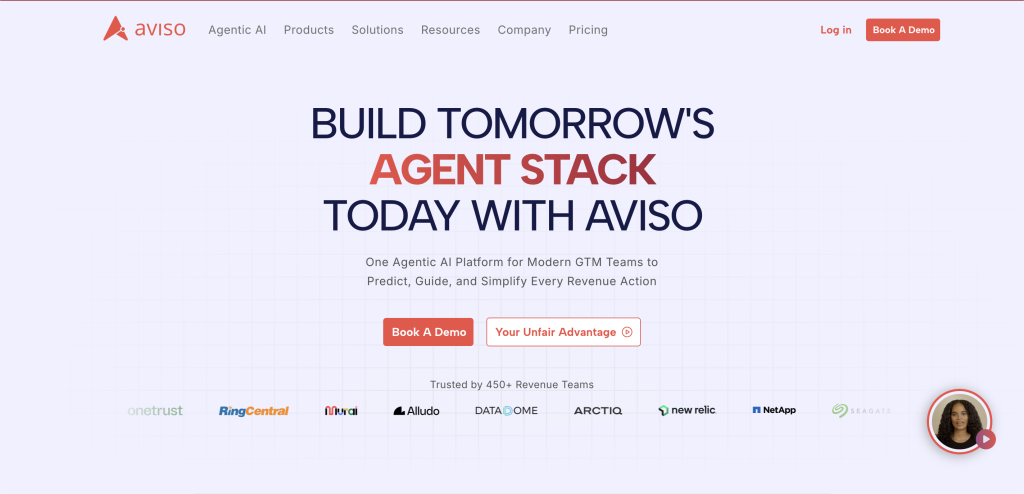
Aviso brings deal collaboration, pipeline inspection, conversational and activity intelligence, and predictive forecasting into one workspace. Its forecasting engine is now paired with MIKI, a conversational AI orchestrator that can query pipeline data and trigger CRM updates directly, extending guided selling from passive recommendation into active, agentic guidance.
7. LevelEleven
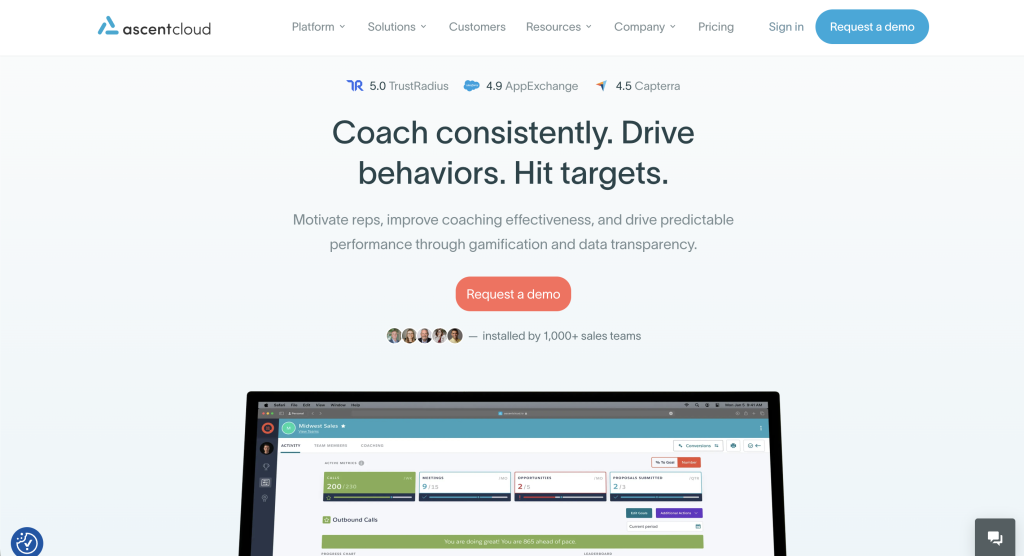
LevelEleven offers personalized scorecards, real-time leaderboards, and data-driven coaching that keep reps focused on the specific behaviors that drive revenue and retention. Real-time KPI tracking as Salesforce updates lets managers course-correct before a rep falls too far behind pace.
8. Zebrafi
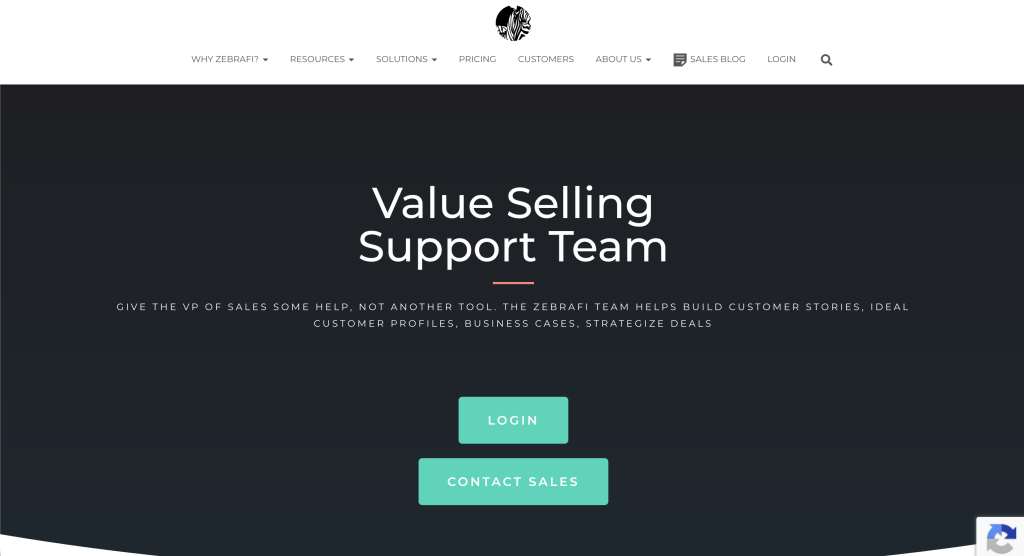
Zebrafi is a cloud-based guided selling system that helps identify sales prospects and surface precise customer data, with particular strength in showing what’s actually working in the pipeline versus what isn’t.
9. DealHub
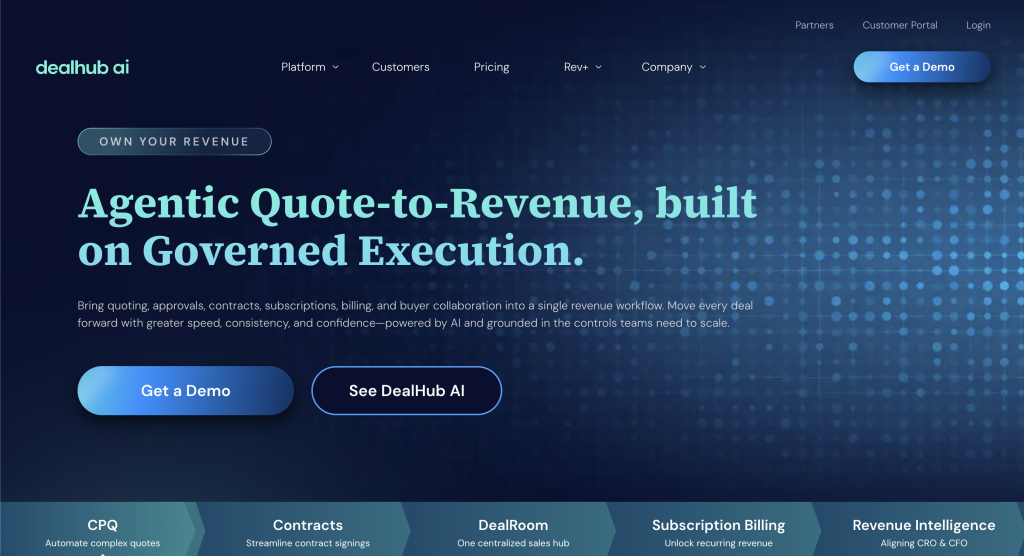
DealHub’s Revenue Amplification Platform unifies teams and processes with zero-code configuration, helping close deals faster and build more predictable pipeline through a guided, structured selling playbook.
10. Veelo
Veelo combines training, ongoing support, optimization, and onboarding in one platform, with role-based interactive learning paths for new hires and a guided selling feature that automatically suggests content to reps.
11. Quark Docurated
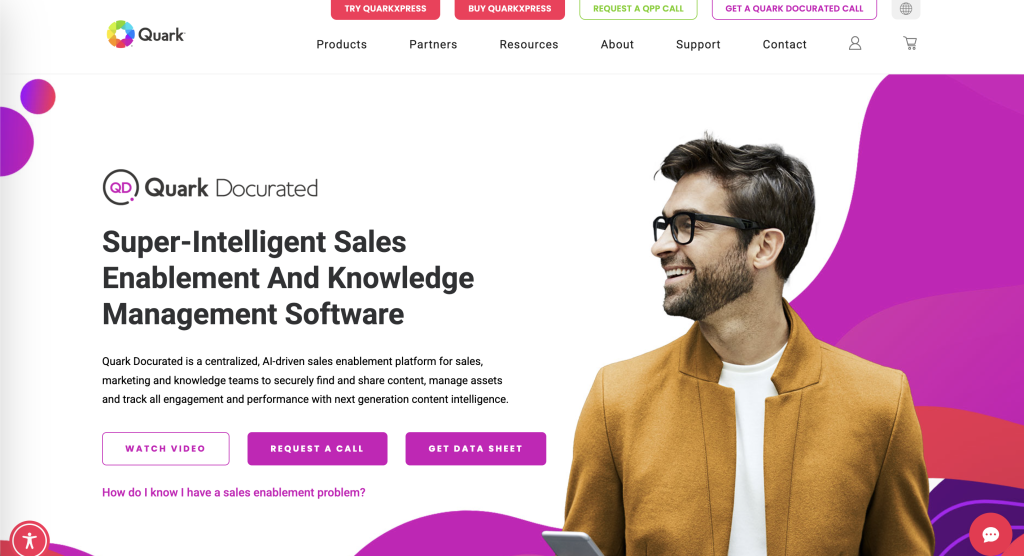
Quark Docurated is a content intelligence tool that helps teams find, recommend, and share the right content asset, tracking performance across images, video, PDFs, and Office files so reps know what actually resonates rather than guessing.
12. Highspot
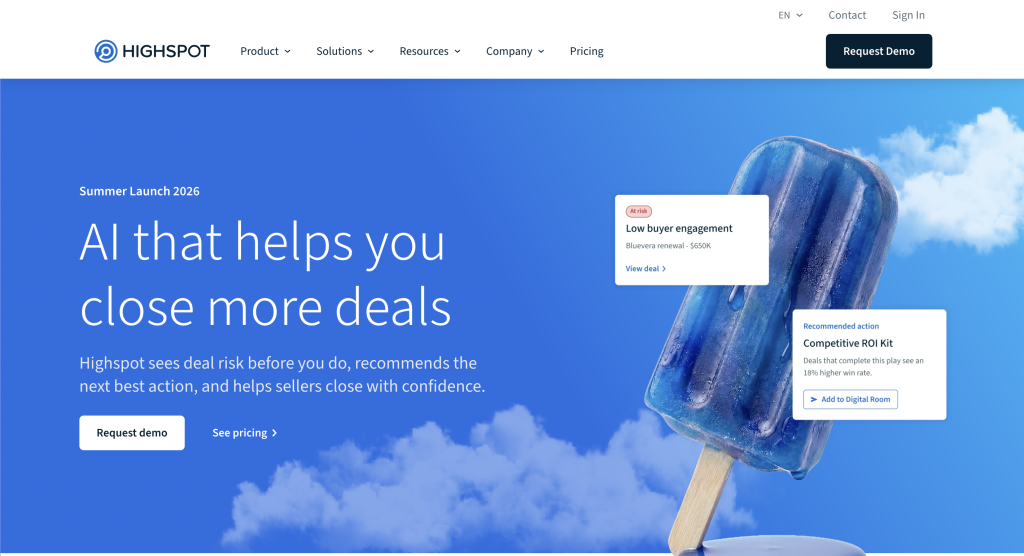
Highspot is one of the category’s most established sales enablement platforms, combining AI-guided content recommendations, structured sales plays, and built-in coaching and analytics. It’s a natural fit for enterprise teams that need guided selling content management at real scale, and has been actively expanding its own AI features (including its Mediafly-acquired capabilities, following Mediafly’s acquisition of Dooly in 2024).
13. Seismic

Seismic is Highspot’s closest competitor in enterprise sales enablement, combining AI-guided content recommendations with buyer engagement tracking and structured coaching. Its differentiator is depth in content analytics and buyer-facing engagement scoring, showing not just which content a rep sent but how a buyer actually interacted with it, which feeds back into more targeted guidance for the next touchpoint.
14. Tact.ai
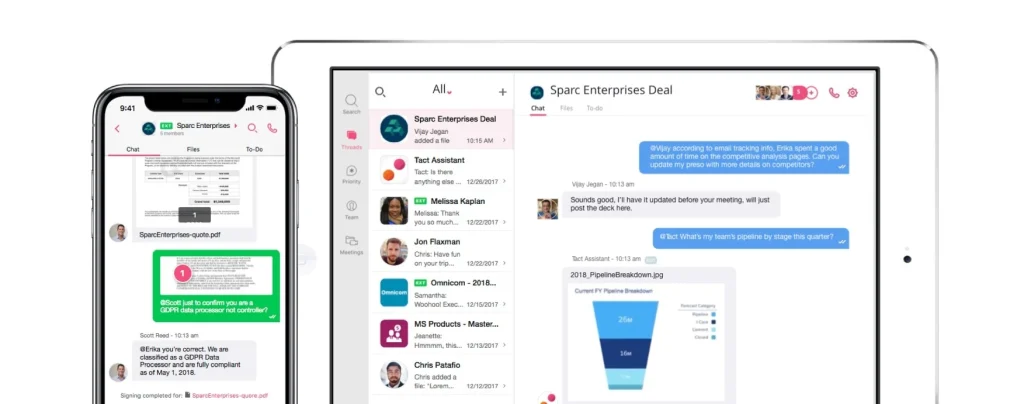
Tact.ai focuses on making enterprise CRM software easier to use, with a patented Edge AI platform aimed at Fortune 500 sales teams looking to modernize daily rep-CRM interactions. Verify current company status directly before including it in vendor shortlists, given how much consolidation this category has seen; several peer tools on this exact list changed hands or shut down between 2023 and 2025.
15. Vymo
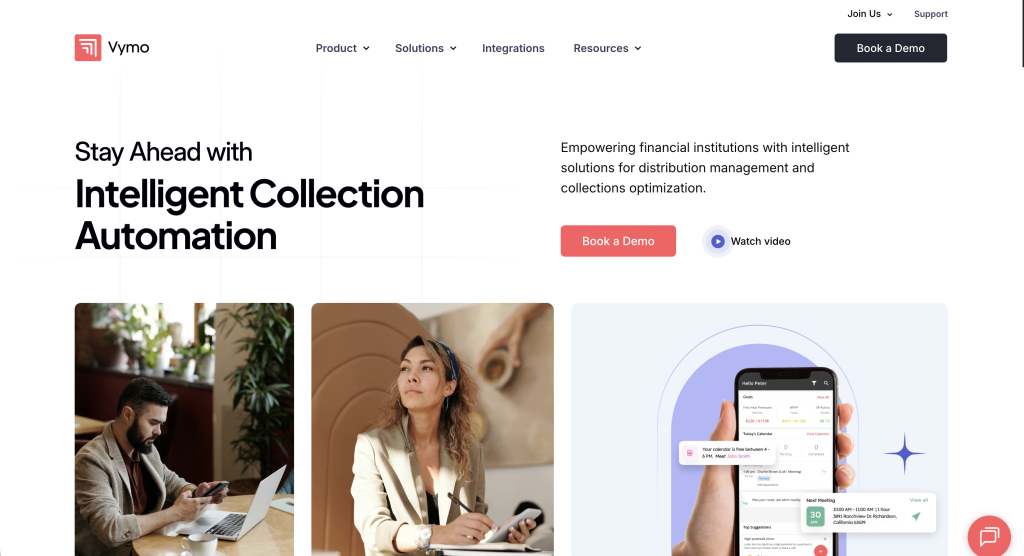
Vymo is a guided selling platform purpose-built for financial services, offering intelligent nudges and industry-specific playbooks to frontline staff, managers, and business heads, with deep insight into both sales performance and customer behavior.
Guided Selling Tools Compared
How AI Has Changed What "Guided" Actually Means
Guided selling used to mean a static playbook or a decision-tree questionnaire: answer these questions, get this recommendation. AI has moved the category from that kind of scripted guidance to something closer to real-time, context-aware coaching. A modern guided selling tool doesn’t just recommend a product based on a fixed set of inputs; it reads live deal activity, transcripts, and engagement signals, and adjusts its recommendation as the deal actually changes.
That shift raises the same stakes question running through most of this category in 2026: an AI-guided recommendation is only as good as the data it’s reading. A guided selling tool recommending the “next best action” on top of incomplete CRM data (a stakeholder who was never logged, a stage that doesn’t match the real conversation) produces a confident, wrong suggestion rather than a cautious one. Getting the underlying data right isn’t a separate concern from guided selling anymore. It’s the precondition for it working at all.
Frequently Asked Questions
Q. What’s the difference between guided selling and sales enablement?
Sales enablement is the broader category, content, training, and tools that help reps sell effectively overall. Guided selling is a more specific discipline within it: structured, often AI-assisted guidance through a specific deal or purchasing decision, using real customer and deal data rather than generic best practices.
Q. Does AI replace the need for a guided selling tool’s static playbook?
Not entirely. A well-built playbook still encodes an organization’s actual sales methodology and qualification criteria. AI adds a layer on top, reading live deal signals and adjusting recommendations as a deal evolves, rather than sticking rigidly to whatever a static decision tree said at the start.
Q. How does guided selling data quality affect AI recommendations?
Directly and significantly. An AI-guided recommendation reasons over whatever CRM and activity data it has access to. If that data is incomplete, missing stakeholders, an inaccurate stage, unlogged meetings, the AI layer doesn’t compensate for the gap. It produces a confident recommendation built on a partial picture, which is often worse than no recommendation at all.
Guide Your Sellers With Data They Can Actually Trust
Every guided selling tool on this list works better with complete, accurate deal data underneath it. Get a free CRM scan to see how much of your own pipeline activity is currently missing, or explore Daisy AI to see how Nektar turns complete data into the specific signals guided selling depends on.
Enjoyed our content? Follow Nektar on LinkedIn