13 Best Revenue Forecast Tools for 2026
- RevOps
- 11 min
- July 17, 2026
Forecast accuracy has been a stubborn problem for as long as there’s been a quota to hit. Most RevOps teams have lived through the gap between the number in the forecast deck and the number that actually closes, and the tools in this category all exist to shrink that gap.
This list keeps to forecasting platforms genuinely built around pipeline prediction, deal-risk scoring, and forecast accuracy.
Get our latest insights into your inbox

What Is Revenue Forecasting?
Revenue forecasting is the process of predicting future revenue based on historical data, current pipeline, and market conditions. It’s how a business turns “how much did we sell last quarter” into “how much should we plan to sell next quarter.” It helps RevOps and finance teams decide where to allocate budget, headcount, and resources with some confidence in the number.
The mechanics haven’t changed much: gather historical data, identify the factors that actually drive revenue (leading indicators like pipeline conversion rate and engagement), build a model, and continuously validate it against what actually closes. What’s changed is what “the data” means. A forecast model built on CRM data with incomplete contact and activity records is still just a confident guess. No algorithm fixes an input problem, however good the model on top of it is.
Why Forecasting Accuracy Is Still Hard
Forecasting has always been difficult, but the reasons have shifted since the last version of this list:
- Data completeness, not just data volume.
Most CRMs are missing a large share of the activity that actually happened in a deal. Examples include meetings that never got logged, or stakeholders who were never added as contacts. A forecast model can only be as accurate as the pipeline data it’s built on.
- AI agents are now acting on forecast data, not just displaying it.
Where a forecasting dashboard used to be something a RevOps leader read and interpreted, more of that data now feeds directly into agents that flag risk, reprioritize pipeline, or trigger workflows. There is less human judgment sitting between the data and the action.
- Market and buying-committee volatility.
Longer sales cycles and larger buying committees mean more stakeholders whose engagement (or disengagement) can shift a deal’s trajectory without ever showing up as a stage change in the CRM.
13 Best Revenue Forecast Tools for 2026
- Nektar: CRM data foundation that forecasting tools depend on
- Aviso AI: agentic forecasting and revenue execution
- Anaplan: enterprise financial and revenue planning
- Cien: AI-driven sales performance analytics
- Kluster: forecasting process standardization
- ZoomInfo Chorus: conversation intelligence backed by B2B data
- MadKudu: predictive lead and account scoring
- Celonis: process mining for sales-cycle bottlenecks
- Fullcast: territory, quota, and capacity planning
- Gryphon.ai: compliant call analytics and activity tracking
- SalesDirector.ai (Bigtincan): activity capture and revenue insights
- Upland Altify: account planning and opportunity management
- Vortini: forecasting and revenue-planning dashboards
Overview of the 13 Best Revenue Forecast Tools
1. Nektar
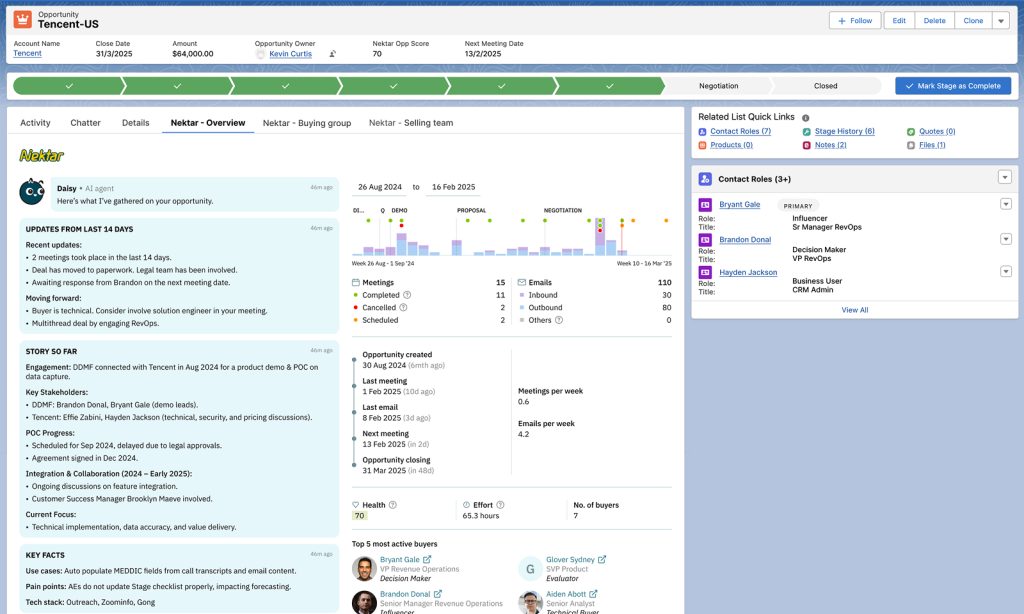
Every tool on this list predicts from the same underlying source: your CRM’s pipeline and activity data. If that data is incomplete with missing stakeholders, unlogged meetings, or contacts attached to the wrong opportunity, the forecast built on top of it is a confident guess dressed up as a number, no matter how sophisticated the model.
Nektar addresses the layer underneath the forecast rather than the forecast itself. Data Foundation automatically captures every email, meeting, call, and calendar event across your team and writes it natively into Salesforce with zero rep effort and go-live in under two weeks. Time Travel retroactively corrects historical records as new context arrives, closing the gap that static, point-in-time capture tools can’t touch. Daisy AI surfaces revenue signals across categories including deal velocity, buyer engagement, and churn risk, giving forecasting and pipeline-inspection tools (including several others on this list) a materially more complete dataset to predict from.
Nektar doesn’t compete with the forecasting and orchestration platforms on this list on prediction math. It’s vendor-neutral by design, sitting alongside those tools and making sure the data feeding their models is actually there.
In production: Mimecast identified $80M in pipeline and $2M in incremental expansion revenue within 80 days of deploying Nektar. Brex built Nektar’s engagement data into daily CRO pipeline reviews.
Key features:
- Zero-rep-effort capture across email, calendar, meetings, and calls
- Up to 12 months of historical backfill
- Revenue signals feeding downstream forecasting and pipeline tools
- Improves the data underneath other forecasting platforms rather than replacing them
Best for: Teams whose forecast accuracy problem traces back to incomplete CRM data rather than a weak prediction model.
2. Aviso AI
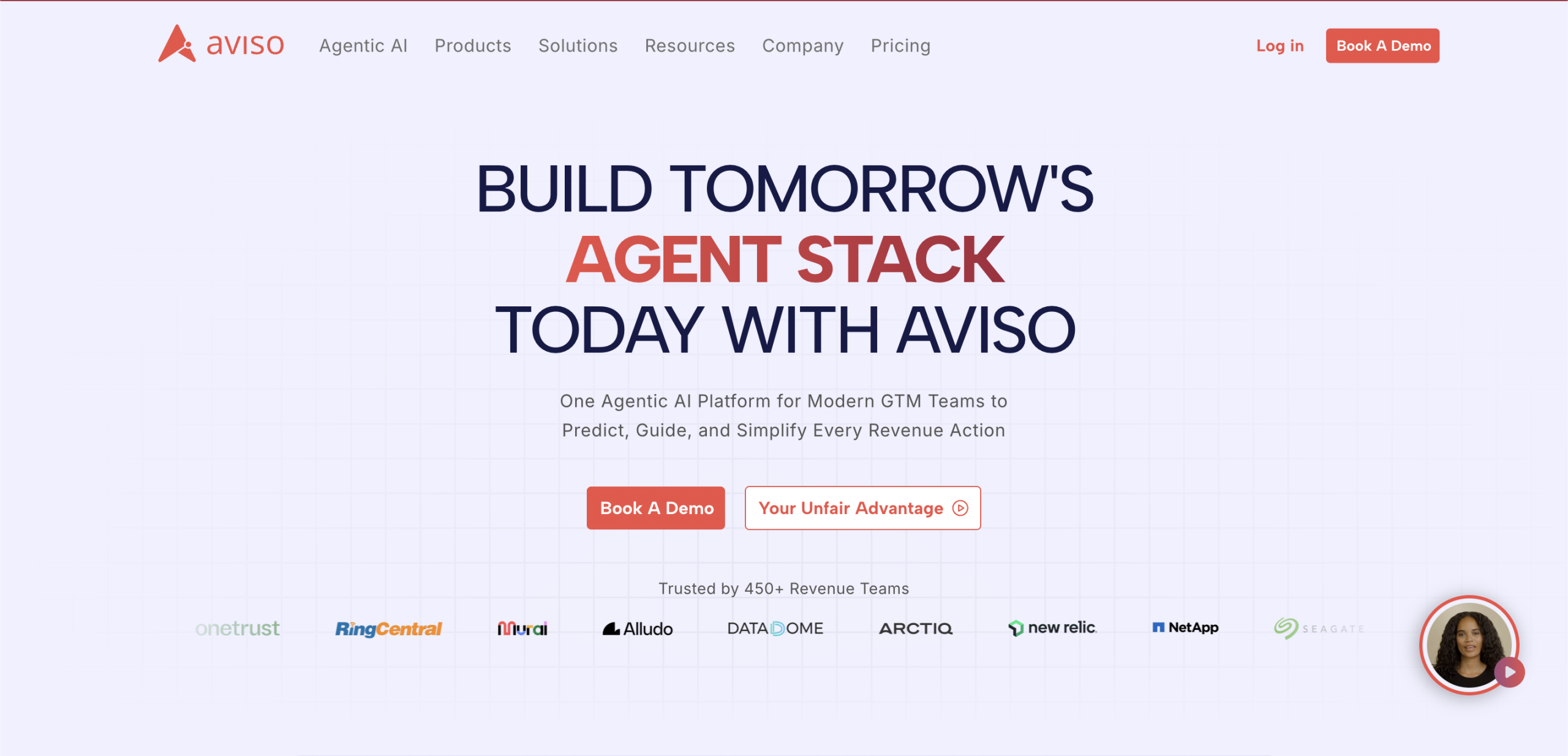
Aviso has moved from a pure forecasting tool to an agentic platform built around MIKI, a conversational orchestrator that can query pipeline data and trigger CRM updates directly, alongside 50+ pre-built revenue agents. The forecasting engine underneath is trained on historical deal and engagement data which remains the platform’s anchor.
Key features: MIKI conversational orchestrator, predictive forecasting, real-time AI-driven deal coaching, no-code agent workflows.
3. Anaplan
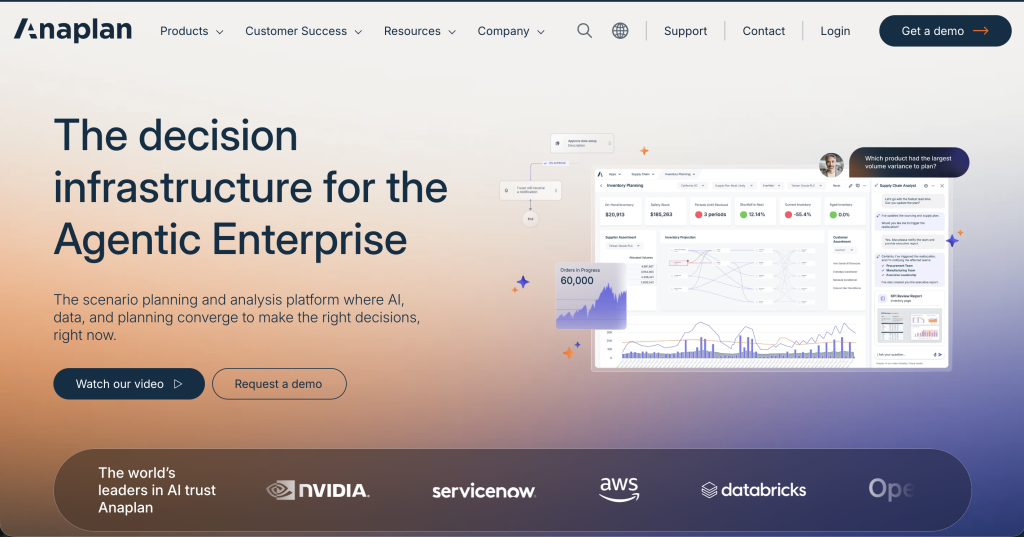
Anaplan is a connected-planning platform used well beyond sales for supply chain, workforce, and financial modeling, with revenue forecasting as one major use case. It’s been privately held under Thoma Bravo since 2022; the platform is worth knowing if procurement or vendor-stability questions come up in an evaluation.
Key features: Hyperblock modeling engine, scenario and what-if planning, cross-functional connected planning, enterprise-scale collaboration.
4. Cien
Cien uses AI to analyze historical sales data and benchmark rep performance against forecast outcomes, aiming to separate the deals that are genuinely likely to close from the ones that look healthy on paper but aren’t.
Key features: AI-driven performance benchmarking, forecast accuracy analytics, sales coaching recommendations.
5. Kluster
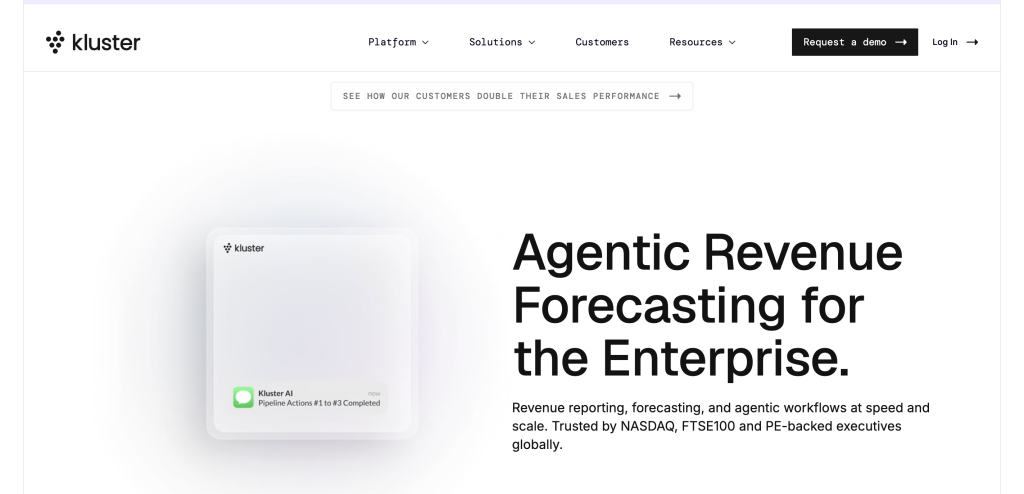
Kluster standardizes the forecasting and pipeline-review process itself: consistent cadences, repeatable reporting, and pipeline-funnel tracking so forecast calls run the same way every cycle rather than being rebuilt from scratch each time.
Key features: standardized forecasting workflows, pipeline funnel tracking, automated reporting cadence.
6. Zoominfo Chorus
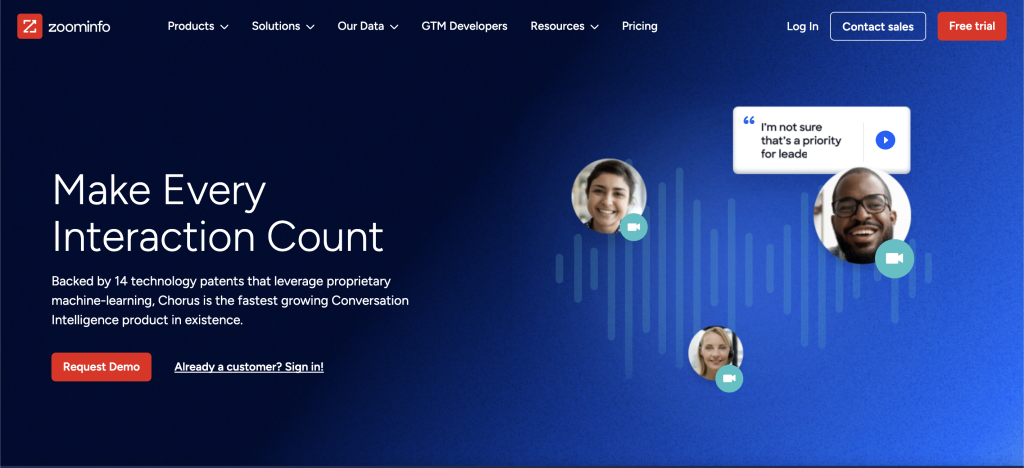
Chorus has been part of ZoomInfo since 2021 and now runs on ZoomInfo’s broader B2B data layer, the GTM Context Graph. It analyzes recorded calls for buying signals and sentiment and ties that into forecast-relevant deal-risk alerts.
Key features: conversation intelligence backed by ZoomInfo B2B data, momentum and deal-risk alerts, GTM Context Graph integration.
7. Madkudu
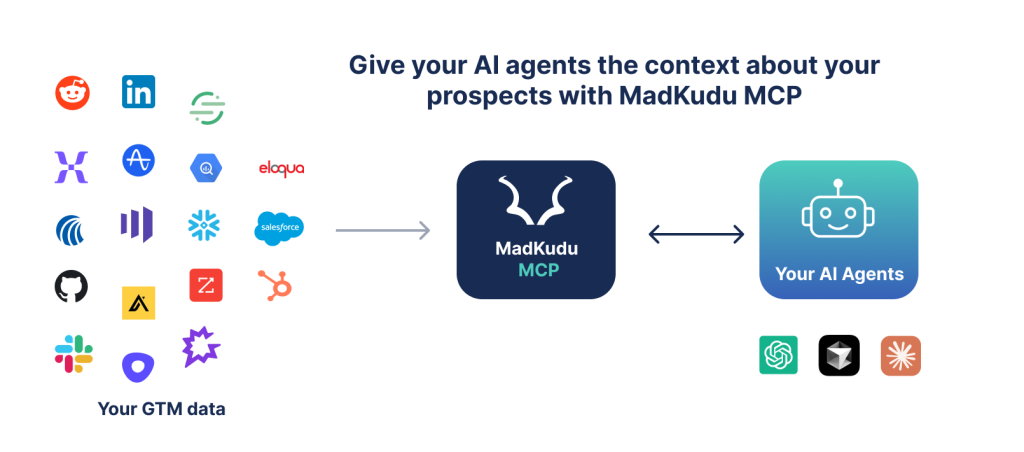
MadKudu applies predictive scoring to customer and prospect data including the technology behind Breadcrumbs, to help forecasting and pipeline-prioritization decisions rest on which leads and accounts are actually likely to convert.
Key features: predictive lead and account scoring, time-decay behavioral weighting, real-time data enrichment.
8. Celonis
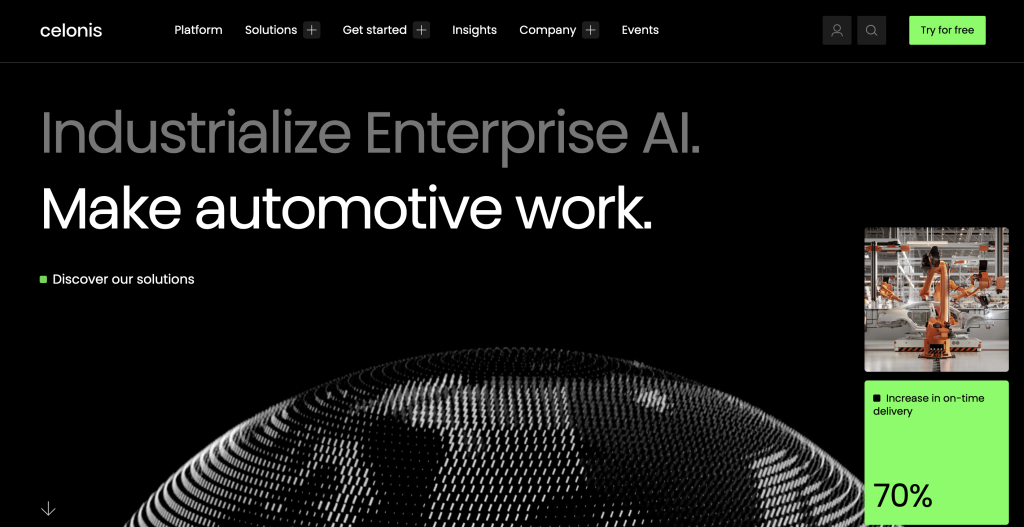
Celonis is a process-mining platform. RevOps teams increasingly use it to find where deals actually stall in the sales process, which feeds directly into more accurate stage-by-stage forecasting. Worth knowing it’s a heavier, more general-purpose platform than the others on this list.
Key features: AI-powered process mining across sales workflows, bottleneck identification, cross-system data integration.
9. Fullcast
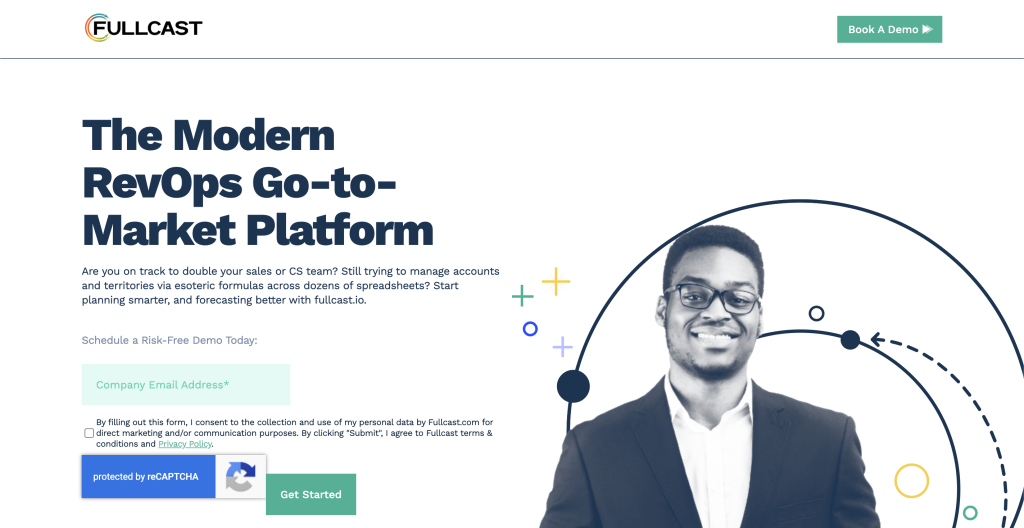
Fullcast handles the planning side that feeds into forecasting accuracy before a single deal is even in pipeline – territory design, quota setting, and capacity modeling, so the targets a forecast is measured against are realistic in the first place.
Key features: territory and quota planning, capacity modeling, GTM scenario testing.
10. Gryphon.ai
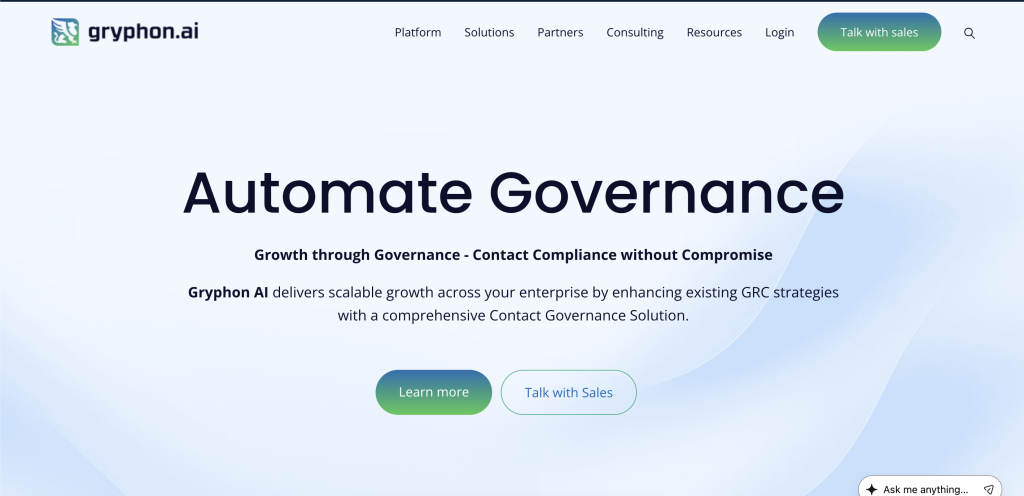
Gryphon automates call logging and compliance tracking (TCPA, GDPR) for sales teams, with real-time call analytics feeding into activity-based forecasting inputs.
Key features: compliance-focused call logging, real-time call analytics, sales coaching tools.
11. SalesDirector.ai (a Bigtincan company)
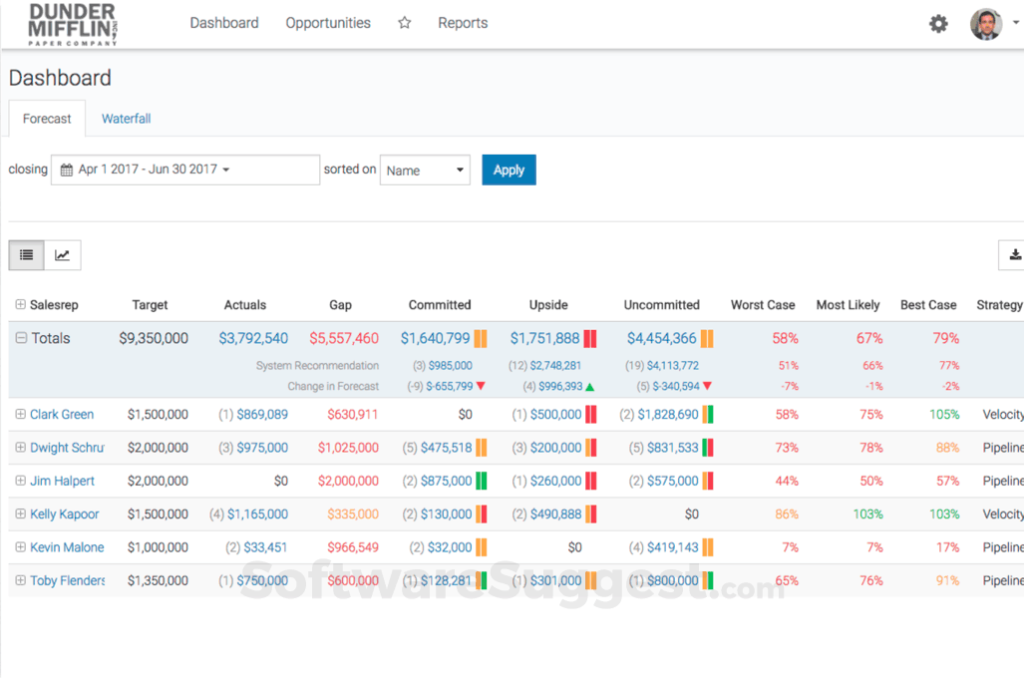
SalesDirector.ai captures email, calendar, and CRM activity automatically and layers on stakeholder and deal-risk analysis, feeding forecasting decisions with engagement data reps didn’t have to log manually. It’s operated as part of Bigtincan’s sales-enablement suite since a 2023 acquisition.
Key features: automated activity capture, stakeholder and relationship-strength scoring, deal-risk analysis, CRM integration.
12. Upland Altify
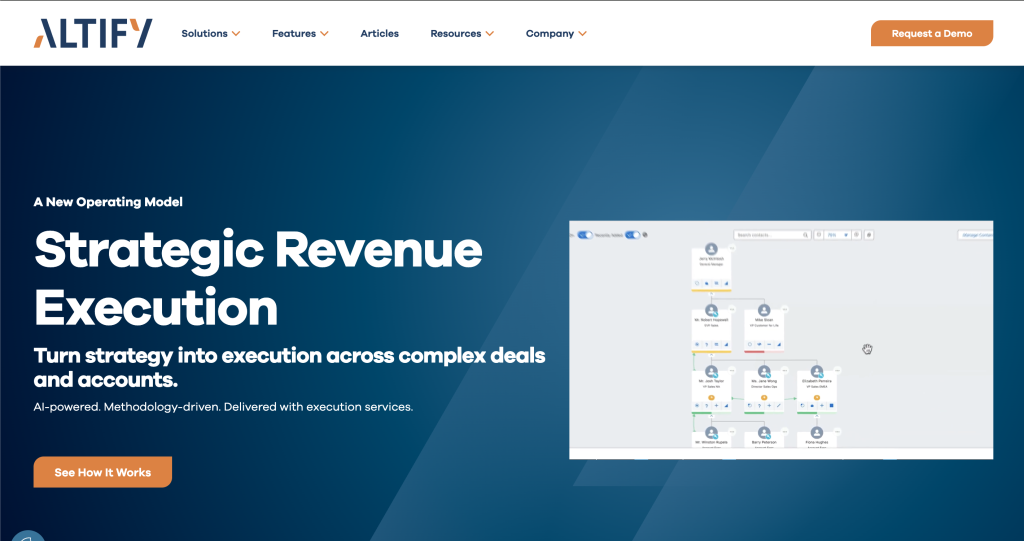
Upland Altify focuses on account planning and opportunity management, mapping buyer relationships and account potential in a way that feeds a more informed forecast, particularly for complex, multi-stakeholder enterprise sales.
Key features: account planning and opportunity mapping, buyer-behavior insights, CRM-native workflows.
13. Vortini
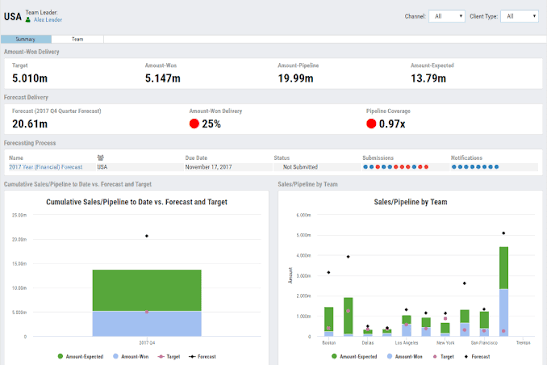
Vortini is a smaller, dedicated forecasting and revenue-planning tool offering real-time pipeline trend visibility and customizable forecasting dashboards. Worth a look for teams that want a lighter-weight, forecasting-specific tool rather than a broader revenue platform.
Key features: real-time pipeline trend tracking, customizable forecasting dashboards, territory and quota management.
Revenue Forecast Tools Compared
Frequently Asked Questions
Q. What is revenue forecasting?
Revenue forecasting is the process of predicting future revenue using historical sales data, current pipeline, and market conditions, so businesses can plan budget, headcount, and strategy with a reasonable level of confidence in the number.
Q. Why do most companies miss their revenue forecast?
Most forecast misses trace back to incomplete or inaccurate CRM data rather than a weak forecasting model. Deals with unlogged stakeholders, activity that never made it into the CRM, or contacts attached to the wrong opportunity all distort the pipeline data every forecasting tool depends on.
Q. Does Nektar replace forecasting tools like Aviso or Anaplan?
No. Nektar is vendor-neutral and sits underneath forecasting and pipeline-inspection tools, making sure the CRM data those tools predict from is complete and accurate, rather than competing with their forecasting models directly.
The Bottom Line
A forecasting tool is only as good as the data it’s forecasting from. The platforms on this list each solve a real piece of the forecasting problem: process, prediction, planning, or execution. But it’s important to fix incomplete CRM data first, because that’s a different layer of the problem entirely.
See if your CRM data is ready for AI agents with our AI Readiness Checklist.
Enjoyed our content? Follow Nektar on LinkedIn